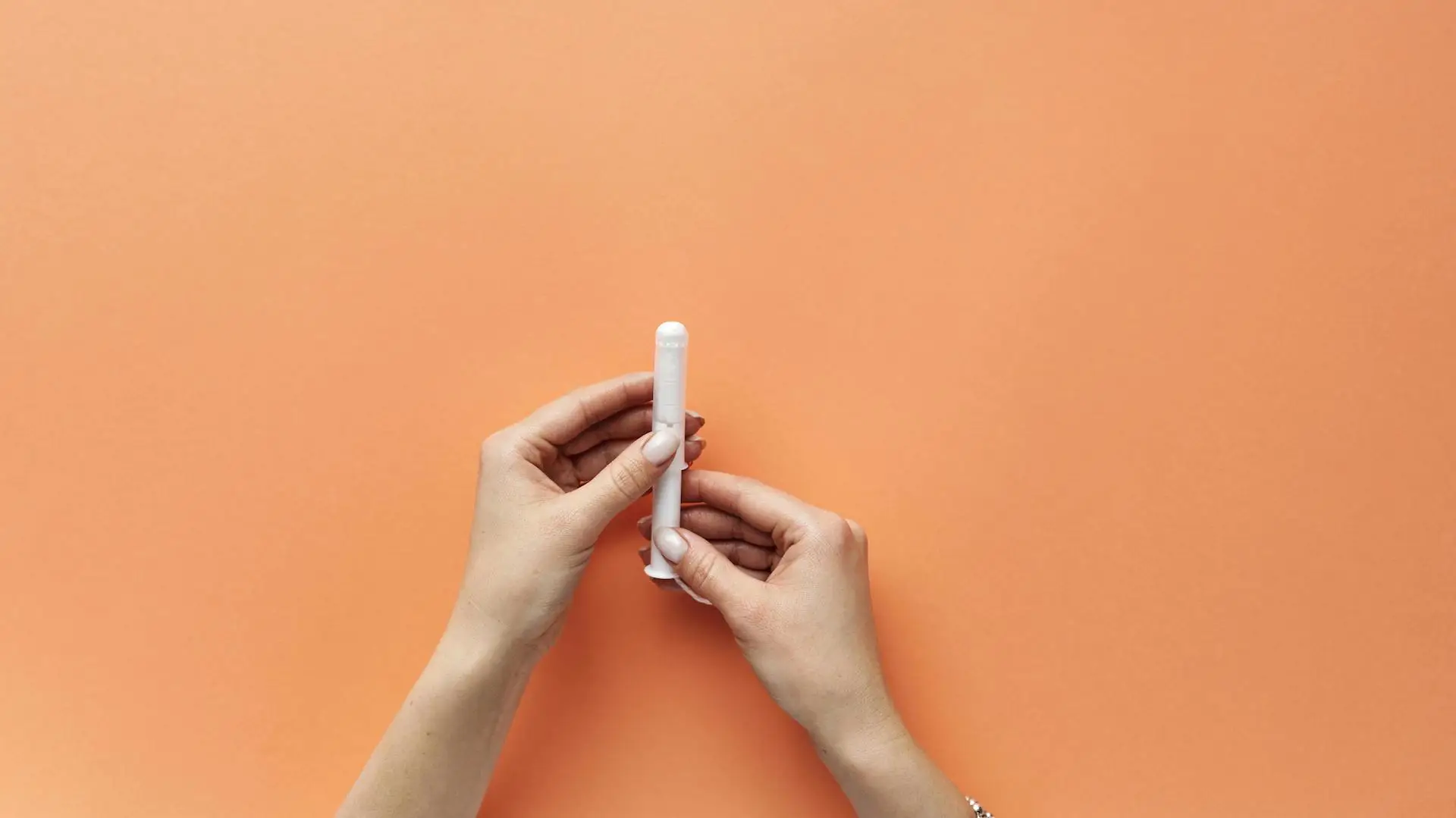
So, They Just Found A Bunch Of Toxic Metals In Our Tampons

When it comes to my period, I’m strictly a tampon girl. I go to the gym a lot, prefer thongs to avoid panty lines, and just hate feeling like I’m wearing a miniature diaper (aka pads). And I’ve always heard about toxic shock syndrome, but knew that its actuality was over-exaggerated in an effort to keep women from putting things up their vaginas. But a recent study found that over a dozen metals, including lead and arsenic, are lurking in tampons sold across the U.S. and Europe.
Researchers tested 30 tampons from 14 different brands and discovered lead in every. Single. One. The study, published in Environmental International, is sounding the alarm for stricter regulations on tampon testing. They found 16 different metals in one product alone.
The big question now: do these metals actually leach out of tampons? This is crucial since the vaginal skin is super permeable, meaning any nasties could easily get into the bloodstream. And here’s a fun fact: substances entering the bloodstream this way bypass the liver, so there’s basically no filtering out the bad stuff.
The study didn’t name the brands tested, but we know big names like Tampax, Kotex, and Playtex are in the game. Here’s what else we know about about the tampon study.
What Are Tampons Made Out Of?
Advert
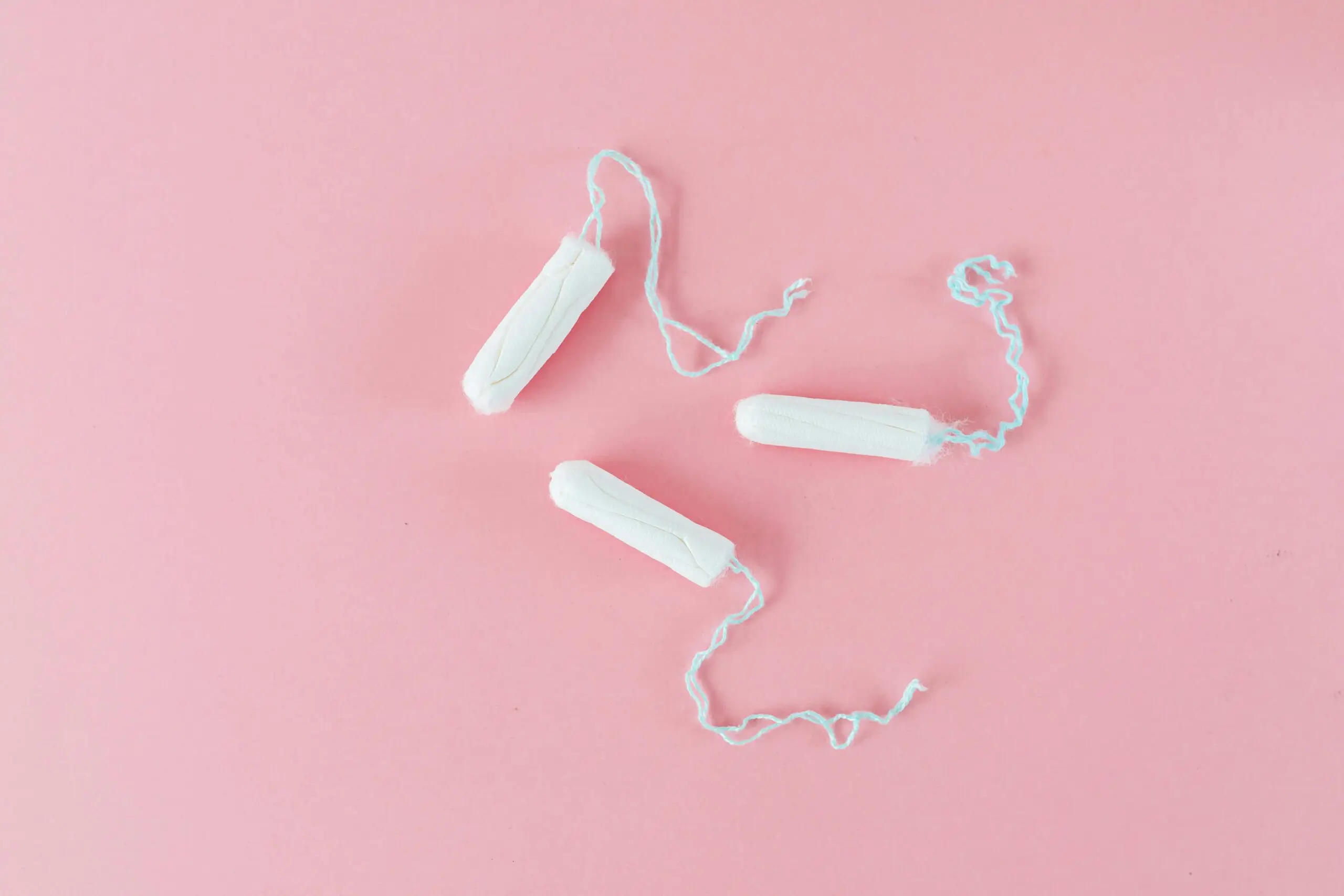
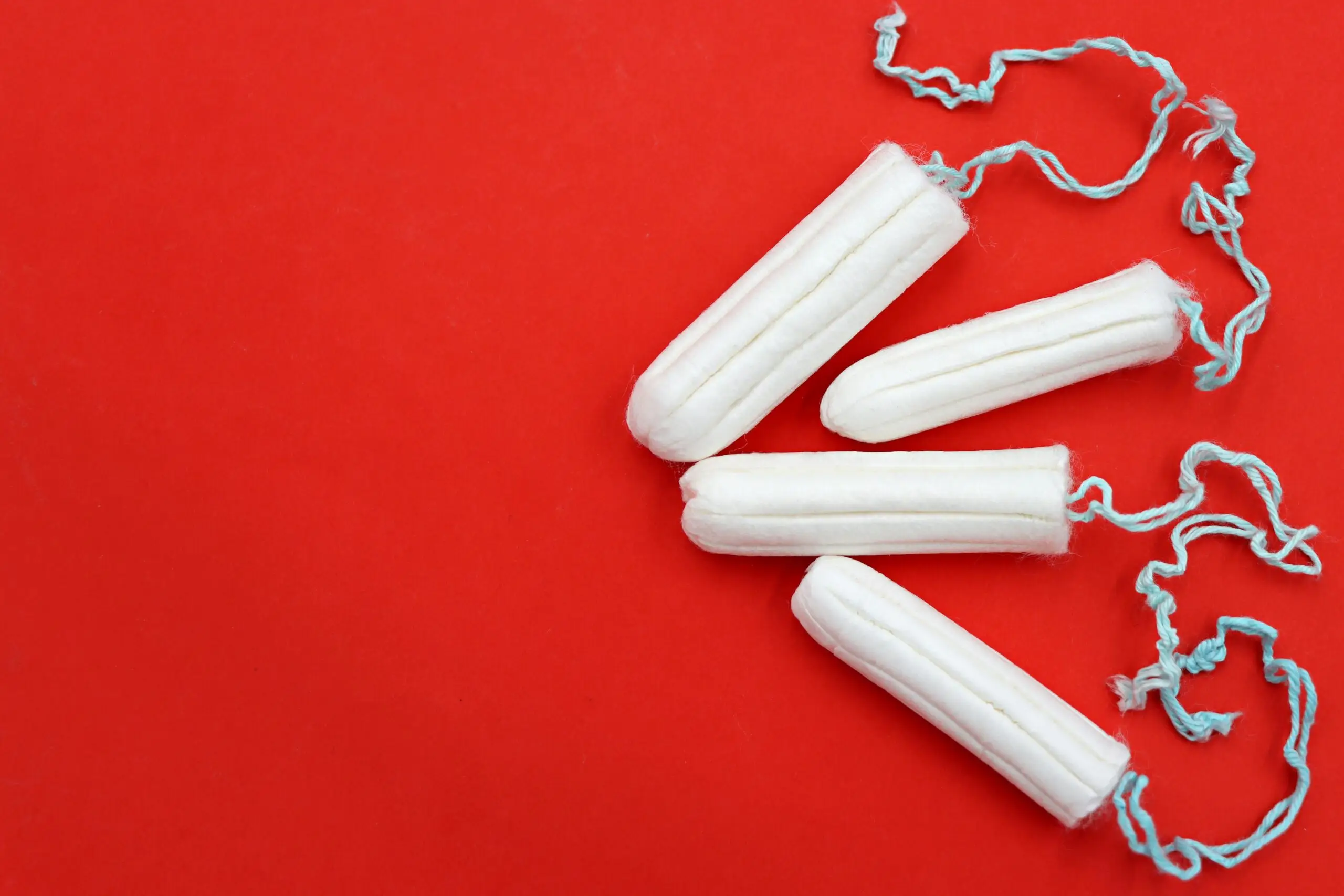
Tampons are typically made with cotton, rayon, or a mix of both. You’re probably wondering, “So where TF did these metals come from?”
The metals found in tampons might come from the soil where the cotton or rayon plants are grown. Or, the metals could also be coming from chemicals that are used during the manufacturing process to kill bacteria (aka antimicrobials) to help control odors. So the presence of metals could be linked to both the agricultural or manufacturing processes.
Are There Tampons Without Chemicals?
Advert
Interestingly, organic tampons had less lead but more arsenic than their non-organic counterparts. I know, we really can’t catch a break. And tampons sold in the U.S. had higher lead levels than those in Europe. Seriously, what gives? We can’t say people should stop using tampons just yet because it’s still unclear if these metals are absorbed by the body.
So, if you’re looking for the safest tampons to use, you should go for tampons certified organic by reputable organizations. Choose tampons that are fragrance-free, unscented, with minimal processing, and from companies that are totally transparent about their ingredients and manufacturing processes.
And no, “fragrance-free” and “unscented” are not the same thing — even if they sound like it. If something’s “unscented,” it means it doesn’t smell, but that’s because they’ve added chemicals to hide any natural odors. Those chemicals can still mess with your skin or cause allergies though.
On the flip side, “fragrance-free” means no extra scents at all — natural or synthetic. So, you might still get the natural smell of the ingredients, but no added stuff to change the scent. If you’re sensitive to fragrances or just want to avoid the extra chemicals, “fragrancr-free” is the way to go.
Alternative To Tampons
Advert
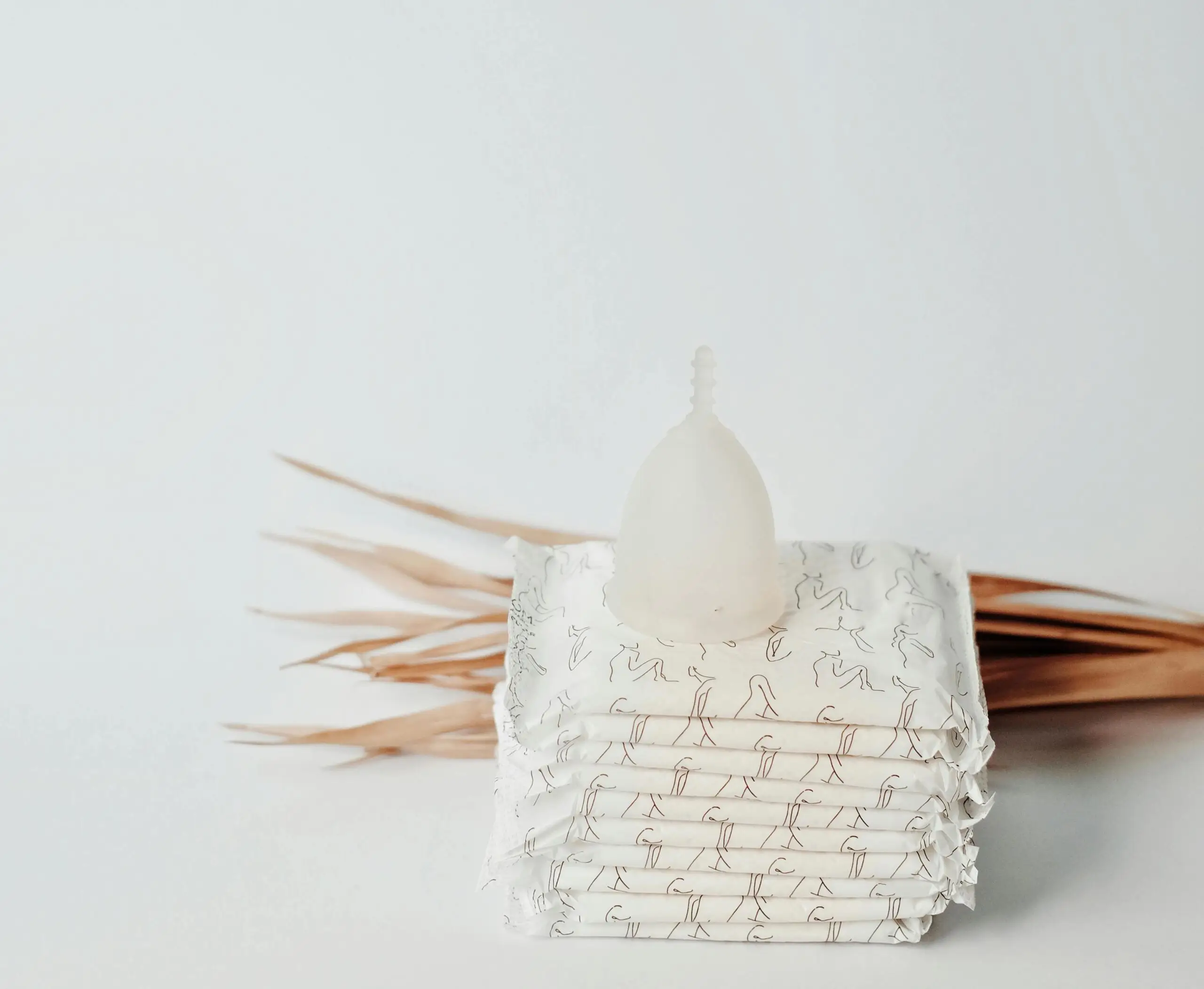
If this has scared you off of tampons forever, I totally understand. So if you’re worried about chemicals or metals, you can consider alternatives like menstrual cups, reusable cloth pads, or period underwear. These options are no only becoming more and more popular, but sometimes they can be safer and more eco-friendly.
The FDA is on the case, reviewing the findings and deciding if any action is needed to protect consumers. In the meantime, it’s basically a waiting game to see if our tampons are truly safe. So, maybe I’ll become a pad girlie after all.
Topics: Health, Lifestyle, News, Period, Sexual Health, Wellness
 Syeda Khaula Saad