
My Honest Review Of Trying Three Different Matchmakers

 Marissa Dow
For my 30th birthday, I told my friends, “no gifts.”Instead, I wanted them to give me something priceless: a setup with a mutual. Most of my taken guy friends didn’t have eligible bachelors in their rolodex because straight men are apparently systemically allergic to nurturing platonic friendship. But one married girlfriend delivered, and late last summer I went on my first semi-blind date. As someone who almost instantly gave up on the apps altogether, I was excited for an interaction led by someone I trusted, not a random algorithm selection powered by the persistence of my thumbs.
Spoiler alert: He was not my person, but the fact that he was someone I could consider without cringing got me thinking: What if dating was never intended to be an individual sport? In today’s modern dating age, plagued by a surplus of choice and a shortage of time, people are now statistically more single than ever. Maybe it’s because finding love appears to be a full-time job, which, for women, can be a dangerous one at that. Even worse, hustlers committed to the online dating grind aren’t necessarily seeing the best results. While 27% of engaged couples meet from apps, according to The Knot, another study published in ScienceDirect shows that marriages from online dating are less stable and satisfying.
So, other than dying alone, singles want to know: What’s the other option? Do you have to just pray you bump into your soulmate at a bar? If the alternative to isolated dating from your phone is turning to a friend who knows you inside out, maybe, now more than ever, it takes a professional helper to find love. I decided I couldn’t let Dakota Johnson have all the fun, so I tried out different modern-day matchmaking services.
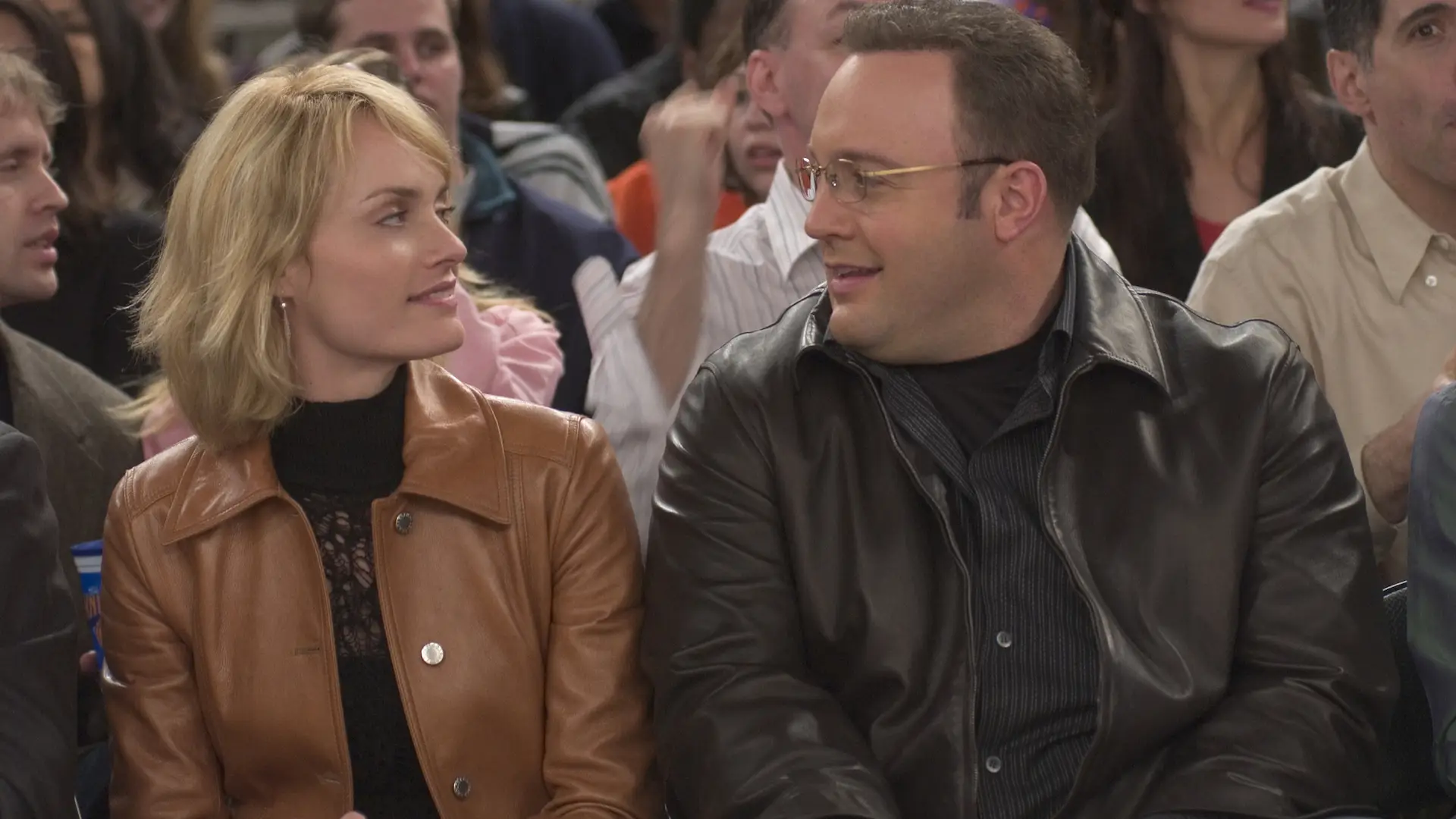
Why matchmaking? I felt nothing else out there is working, so why not risk something new? Except, matchmaking isn’t new — at all — despite the uptick of matchmaking content on reality TV. Since the ancient Aztecs, arranging love has been a community responsibility (FYI, the first recorded matchmaker is probably a meddler by the name of Elizier, Abraham’s right-hand helper in the Bible.) And though matchmaking didn’t quite take off in the US until many centuries later, in the 60s, there’s a reason matchmaking movies, like Hitch and Materialists (broke boy propaganda be damned), get men and women running to the box office.
Advert
Whether it’s cool to say or not, people love love, and with the pandemic stealing prime dating years, many millennials like me are willing to try unconventional methods to get their own. There’s nothing more unconventional than admitting maybe our ancestors got something right. So, I called in a matchmaker. Well, two.
As fate would have it, I stumbled upon my first matchmaker out of the clear blue sky. During a walk, I saw a billboard covered in clouds for Sitch, the app that “sets you up” by being your “personal matchmaker.” Signing up was simple, but going through a 30-minute intake with my new AI matchmaker, Jacinda, was not the typical height/distance/age range selections. If you take the AI seriously, you’ll be pouring out your soul and pickiest preferences to a chipper robot thrilled to digest every word. So, my first impression of Sitch (aesthetically and practically) is that it was instantly giving way more than the options. And it should — Sitch costs $90 to $160, depending on how many setups (not months) you opt in for.
Advert
After trying Sitch out, I spoke with the app’s founder, Nandini (Dini) Mullaji, to get her POV on what really makes her dating app different. She told me, “The way it works for us is that instead of saying that there’s a formula of what makes a good couple, we are actually saying we are here to listen.” By that, she means how conversation Sitch’s AI matchmakers are conversational. Every time Jacinda bugged me for the reasons why I passed on a potential setup, as a feedback warrior, I felt fleetingly validated.
“When you say no to someone, Hinge has no idea why,” Dini explained. “People are telling the AI bot — maybe a little too much,” she joked, “but they’re being extremely honest and that’s helping us.” Since Sitch is asking way more than the basics (“we’re gathering everything from your background and the values that matter to where you want to live and what your traits are important to you”), Dini says they wouldn’t be able to sort through data without new AI. It’s a little different than the matchmaking her grandmother has been doing for decades, which gave Dini the bug to start Sitch on the side when working in venture capital (“My friends like to joke that I have been setting up people since the eighth-grade school dance,” Dini recalled).
Dini’s read on what’s wrong with the dating scene is simple: “Whether it’s a trainer who tells you how to get fit, or whether it’s a therapist who helps you navigate your emotional distress,” we seek coaching for the best results. “But when it comes to your love life, we’ve kind of just been like, oh, whatever you can figure it out. And if we get lucky, we get lucky,” she shared. Her purpose with Sitch was to make matchmaking’s intentional nature accessible to more than just the “elite,” though the price investment does contribute to a better dating pool, Dini believes. Sitch is for people who know what they want, and want to save time getting to it.
I saw the difference in the quality of the dating pool as soon as my first potential setups arrived. These weren’t the same faces and fishing pictures I’d seen pop up on other apps. Plus, their interests and lifestyles were so poetically described in their thoughtful bios, it was like sorting through a grown-up yearbook for a new sweetheart.
Advert
But, admittedly, after a while, I was telling Jacinda no more often than yes — only when both singles say yes will a group chat appear to arrange a date. A few weeks in, I felt the grounded, funny, spiritual, successful, French-cinema-loving wine enthusiast I was searching for (never said I wasn’t choosy, okay!) seemed less like the men landing on my home page. As someone who ditched dating apps to avoid tech bros whose thrill in life is climbing three feet off the ground, seeing multiple men who didn’t fit my vision was a jump scare that made me, if only temporarily, second-guess the process.
But Dini explained that it takes Sitch about two months to fully mature in a new city, which is why the success stories from New York (Sitch’s OG city) are pouring in. My city, LA, hadn’t hit that milestone yet. Plus, the founder was excited to share a soon-to-come update addressing my exact concern about excluding specific but important preferences: “The next version of this is going to allow you to do some more of that, like, deep filtering.”
But even as the app evolves, Dini insists matchmaking isn’t a trip to a Build-A-Bear Workshop, and she wants Sitch to honor that. “We’re also being very cautious about using the AI to help nudge you. Like, ‘Hey, you know, here’s this guy who’s 5’10”, he meets all your criteria, but he’s not 6 foot,'” Dini continued, because “part of the magic is in the adjacent possible.”
As of now, humans are supplementing Sitch’s AI by verifying every member as authentic and making one-off matches for a queue of members who might be having trouble landing a setup with their current criteria. I reached out to Sitch’s support about adjusting my results when I wasn’t feeling it, and to my surprise, I quickly received some fresh potential setups that felt back on track. After saying yes to about 10 options and no to at least three times as many, with no setups yet, I remain hopeful as LA warms up to Sitch and my AI matchmaker, Jacinda, warms up to me, that my magic might be on the way.
According to more research from The Knot, traditional matchmakers still hold the ring for the highest success rate (70-80%) compared to dating apps (about 9%). When I found Spark Matchmaking, which paired with April Fletcher as my matchmaker, I worried about opening up about dealbreakers face-to-face. If writing my dating manifesto to an AI matchmaker felt vulnerable, saying it out loud to a stranger surely wouldn’t be easy. But April’s optimistic, careful, and almost scientific approach to coaching me in our first meeting eventually relaxed me into feeling like I was talking shop with a girlfriend, minus the martinis. April does have matchmaking down to a science since she’s been doing it for years, after it “fell into [her] lap” while working singles events in Chicago. She also has a psychology degree. Now, “There’s life on this planet, kind of, because of me!” April gushed about couples she matched who are married with kids.
Advert
I couldn’t help but picture her as one of Lucy’s less jaded co-workers at Adore. For the record, April thinks the most realistic romcom is Knocked Up, but she appreciates the concept of Love Is Blind over screening romance films.
Now, working with Spark, April is all in their on their unique setup style. After April got to know me, she got to work. Two weeks later, I had a thoughtful email describing a man April thought could be my one. If Sitch felt like a sleek yearbook bio, April’s note felt like a page out of this dude’s diary. Trusting her words, I was so in, and then promptly instructed to prepare for a 15-minute video meeting. Spark added a virtual intro, instead of a typical dinner date, during Covid-era lockdowns. But it became a staple part of the process when the value of taking the pressure off new, nervous, or busy daters who live in traffic-y cities became evident. “With this model, it’s light, it’s easy,” April explained.

Unfortunately, this very nice guy April hand-selected for me, wasn’t my guy. But when I told April my first intro was a pass, she wasn’t disappointed. She was actually happy to hear everything I liked and, more importantly, didn’t like: “The conversation that you had with [him] was light and easy. You got enough from his personality where you’re like, ‘I can tell you’re a nice person. I just don’t think you’re my person.'” What I learned from my mini-date became a learning experience for April, too. We were in this thing together.
Advert
So, even though I didn’t get a relationship out of my first date with Spark, the way my relationship with my matchmaker was progressing felt comforting. “An open line of communication” is crucial to working well with a matchmaker, April said; “If you’re happy, let me know. If you’re not happy, let me know,” and, she flagged, be sure to check in with yourself along the way as to why. April has worked with so many different kinds of clients, but their must-haves usually come down to the same few things: honesty, communication, trustworthiness, kindness, and someone to laugh with. I had to ask her why someone should trust (and spend money on) a matchmaker to find that for them.
“If you think about all of the people that you meet in life, a lot of it is through recommendations. You know, a friend of a friend,” April said, explaining that MO applies to friendship, jobs, and even where to eat. Matchmaking provides the vetting, expedites the process, and more than that, makes dating a team effort. “We’re here on your side, too, to come along on this journey with you, because dating is a journey,” April shared, adding, “no one likes rejection. Not a single person likes it.” But with a matchmaker helping deliver feedback and coaching, every no turns into getting one step closer to an ultimate yes.
A couple of months into my matchmaking experience, I’m technically not any further than after my failed blind date. But I think April, Nandini, and even my AI matchmaker, Jacinda, would argue that’s not quite true. I still don’t have a name, age, or bank statement from my future Mr. Right, but I do now know with certainty that finding him doesn’t have to be lucky or a burden I deadlift alone. Investing in matchmaking isn’t a shortcut; it’s a support system. We deal with so many things alone in today’s world: anxiety, households, career, and getting older, to name a few. If matchmaking can make dating a team effort, then it’s worth waiting on the return.